Anxiety & Rumination
Can't stop replaying a relationship
Start from the emotion
Many painful relationship feelings trace back to some attachment pattern. Pick the state closest to yours right now, and we'll help you look inside.
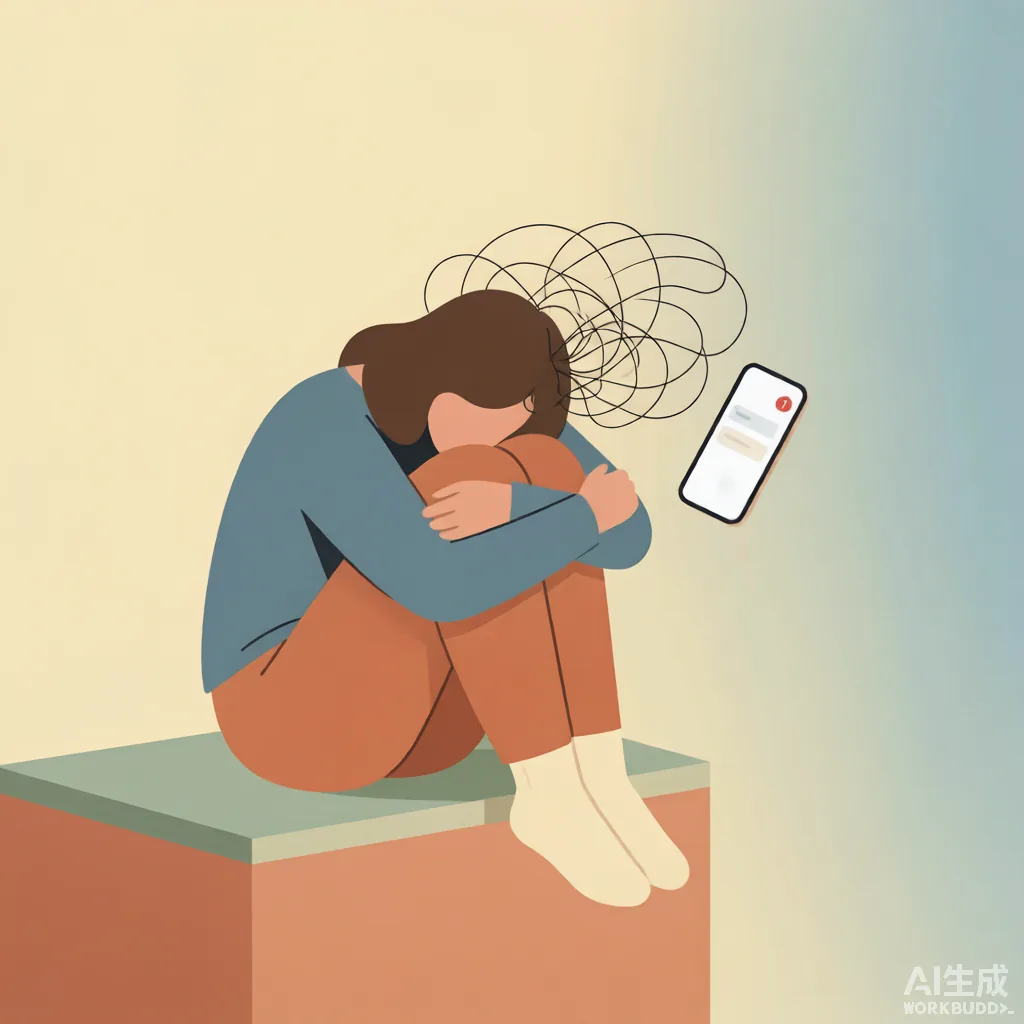
Start from emotion & relationship
Pick the one closest to where you are right now, and we'll help you look inside.
Can't stop replaying a relationship
Can't stop replaying a relationship
Rumination isn't because you're fragile—it's your nervous system scanning for threat.

You can't out-argue a rumination loop with logic—but you can loosen its grip.
When the day goes quiet, your brain replays the worries it never finished.
Intuition is short, rumination is long. Intuition points to action, rumination pins you in place.
Falling hard the moment you meet someone
Falling hard the moment you meet someone
It's not 'loving deeply'—it's filling in things that haven't happened yet with your imagination.

Slow isn't cold. It's swapping 'the imagined them' for 'the real them.'
Always wanting reassurance from your partner
Always wanting reassurance from your partner
Outside reassurance works like a painkiller: it works now, but wears off in a bit—because it treats the feeling, not the root.
Long-lasting reassurance can only grow inside your own head—and it's a muscle you can train.
Often uneasy in relationships

Often uneasy in relationships
Your attachment style isn't a life sentence—it's more like a muscle you can train.
Jealousy is made of a real trigger plus your interpretation. Cutting the feeling alone doesn't help.
Jealousy can tell you 'I want safety,' but it doesn't get to decide your next move.
Money is rarely just money—it mirrors safety and being loved
Anxiety and avoidance at work hide in how you report
Attachment threads across parents, kids, generations
Attachment threads across parents, kids, generations
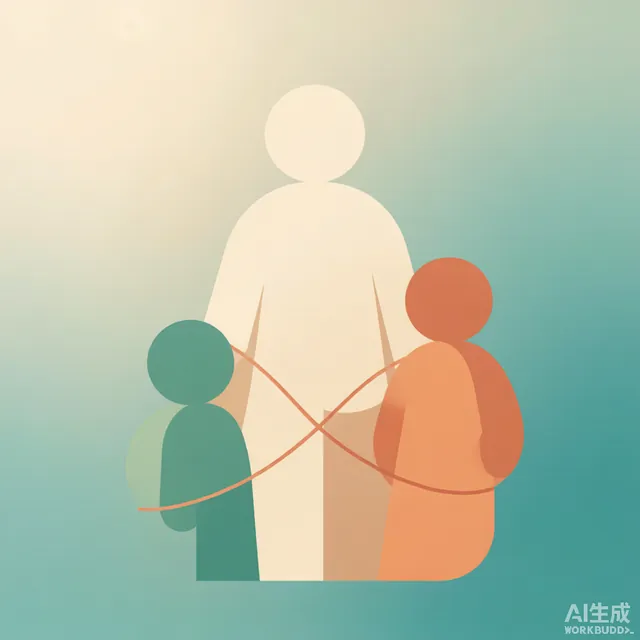
We often think attachment is only a child's story. But parents keep their early patterns into old age: some panic the moment they can't reach you; some stay forever flat, unable to say a tender word. Relating to them as an adult calls for a new playbook.

Many parents read adolescence as 'the child went bad'. From an attachment view, it's the brain rewriting the early 'rely on parents' pattern into 'rely on self'. Pushing you away isn't the same as not needing you.

We wrongly assume 'old people don't need closeness'. The opposite: retirement, empty nest, losing a spouse—each shakes a person's secure base. Later-life attachment needs to be seen, not waved off with 'cheer up'.
Cohabiting, long-distance, dating apps—attachment scripts
Cohabiting, long-distance, dating apps—attachment scripts

You probably have that friend: instant replies, always available—but if you're busy a few days they panic. And another friend who's fine until you express a need, then goes flat. Neither is a weird personality; it's attachment talking in friendship.
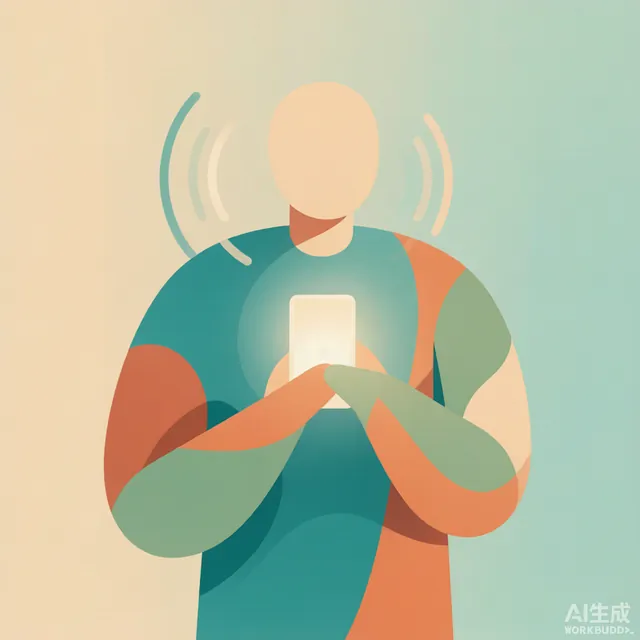
Humans have needed 'to be responded to' for tens of thousands of years; the phone compressed it to seconds. So 'he saw it but didn't reply' can drop you from calm to abandoned in three seconds. Not fragility—ancient need meeting too-fast tech.

Many panic the moment they're single, as if 'no partner' means 'incomplete'. But single life is exactly the best phase to grow security: no one draining you, you can finally catch the parts of yourself no one caught early.

When the person isn't there—delayed replies, frozen video, a reunion that's forever away—the unease you feel usually isn't because they changed. It's because the secure bridge you rebuilt with them every single day has been pulled out.
You've probably lived this: you genuinely want a real relationship, yet your thumb keeps swiping late at night; lots of matches, few real conversations. You're not shallow—the product's interaction logic hits the most primitive part of how you relate to intimacy.
These posts keep unpacking the patterns behind your emotions, from the angle of attachment theory.

Anxious attachment isn't 'being needy'—it treats reassurance as proof of safety.
Anxious isn't destiny. A practice list you can use now—from naming the alarm and writing facts to making concrete requests in relationships—to grow security step by step.

Fights are rarely really about 'who's wrong'. Under conflict sit each person's attachment wounds—anxious fears being left, avoidant fears being engulfed—and how to turn attack into expressing need.

A breakup hits the attachment system like a small earthquake. Why it hurts so much, how different types fall apart, and how to pick the shattered secure base back up piece by piece.
Severe attachment disruption is itself a trauma. Carefully: the link between childhood trauma, PTSD and attachment, and why 'insecurity' is sometimes not just personality but wound.
Four Attachment Styles
Attachment theory describes four ways of connecting with others. The test shows you where you stand on all four.

You're comfortable with both intimacy and independence. You trust your partner, communicate openly, and aren't afraid of being left.
You crave closeness but often worry you aren't loved enough. You need repeated reassurance, and distance makes you uneasy.

You highly value independence and feel uneasy with too much closeness; you're used to relying on yourself.
You want intimacy yet fear getting hurt, caught in a tug-of-war between leaning in and pulling away.
Everything you need to understand your pattern—and actually grow from it—is right here.
Questions follow a validated attachment-theory framework, so your result reflects how you actually relate—not a random guess.
Most people finish in about three minutes—no long forms, no friction, anytime, anywhere.
Your answers live only in your own browser. No sign-up, no personal data collected.
Get a clear type plus practical steps to help you build a more secure way of relating.
Every attachment test on the site is completely free, with no hidden paywall.
Take the test and read your results in plain language that turns theory into advice you can use right away.
Anxiety and rumination often connect to the anxious style; falling too fast and insecurity are mostly different faces of the same 'fear of losing.'
You don't need to understand the theory first—start from the feeling, and it all leads back to your attachment type.
No fluff—one clear path from question to insight.
Honestly answer a set of relationship scenarios. There are no right answers—the more honest, the more useful.
Your answers map onto four dimensions—secure, anxious, avoidant, fearful—to find your dominant type.
Get a clear result and practical advice, and move step by step toward a more secure attachment.
“I finally realized I'm not 'being needy'—my anxious side was sounding the alarm.”
“My partner and I took the test together and, for the first time, we had a shared language.”
“It turns out I push people away because my avoidant side is protecting me.”
“Three minutes told me more than half a year of scrolling posts.”